
HEMATOLOGY EXAMINATION
A laboratory examination performed to comprehensively evaluate blood conditions and its components.
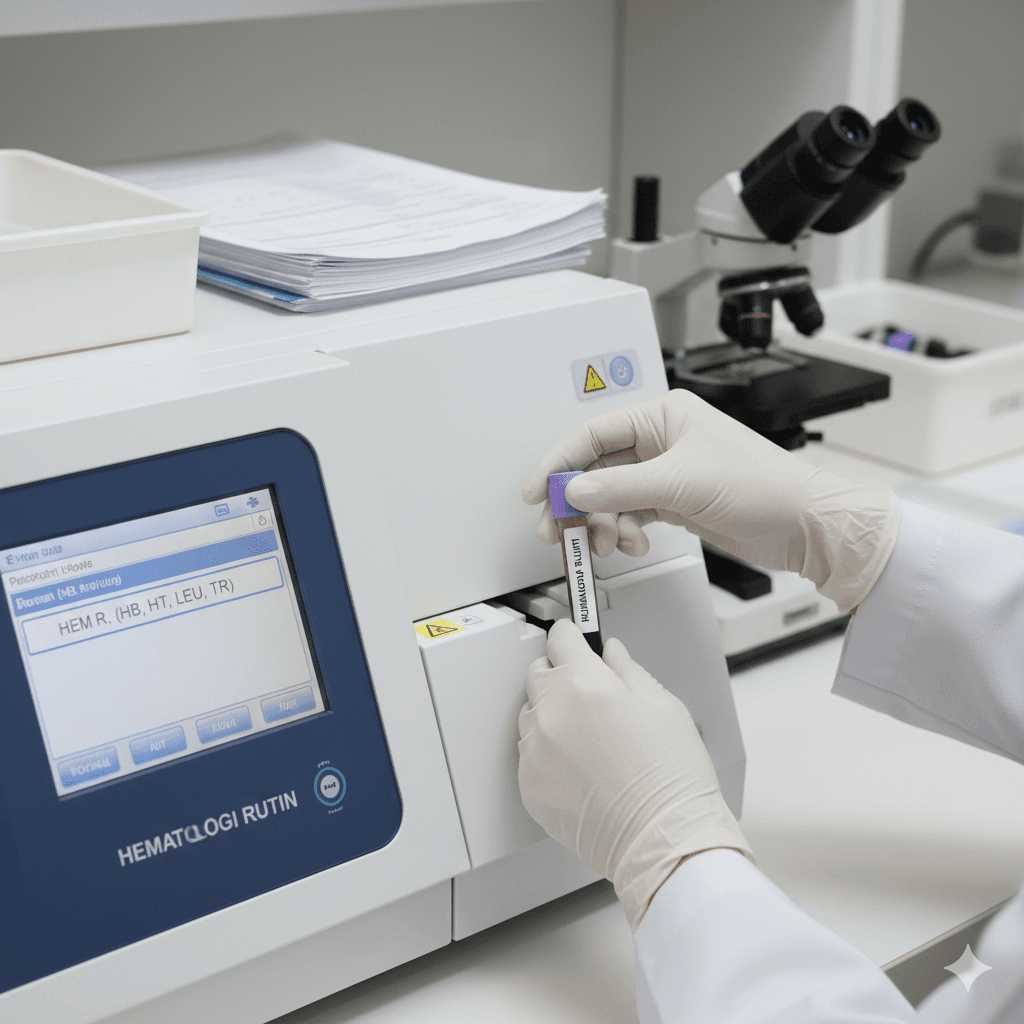
Routine Hematology
(Hb, Ht, Leu, Tr)
Routine hematology testing is a basic blood examination that provides an overall picture of red blood cells, white blood cells, and platelets. This test is often used as an initial assessment of general health conditions such as anemia, infections, and inflammation.

Erythrocyte Sedimentation Rate (ESR)
ESR measures the rate at which red blood cells settle in the blood. This test is commonly used as an early indicator of inflammation, infection, or chronic disease requiring further evaluation.

Complete Hematology
(Routine + Diff Count + ESR)
Complete hematology combines routine blood testing with erythrocyte sedimentation rate (ESR) to provide more comprehensive information about blood conditions and inflammatory processes.
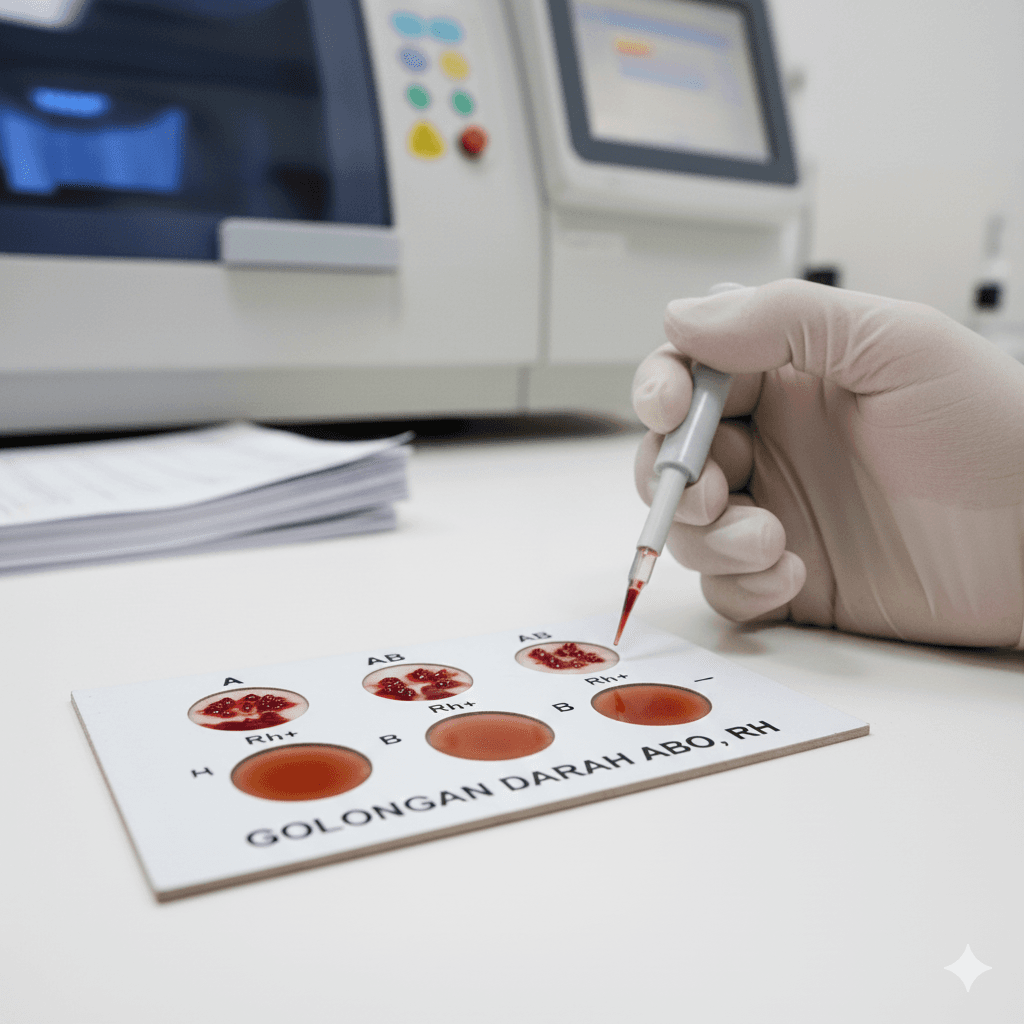
Blood Group
Blood group testing determines ABO blood type and Rhesus factor. This test is essential for blood transfusions, medical procedures, pregnancy management, and emergency situations.
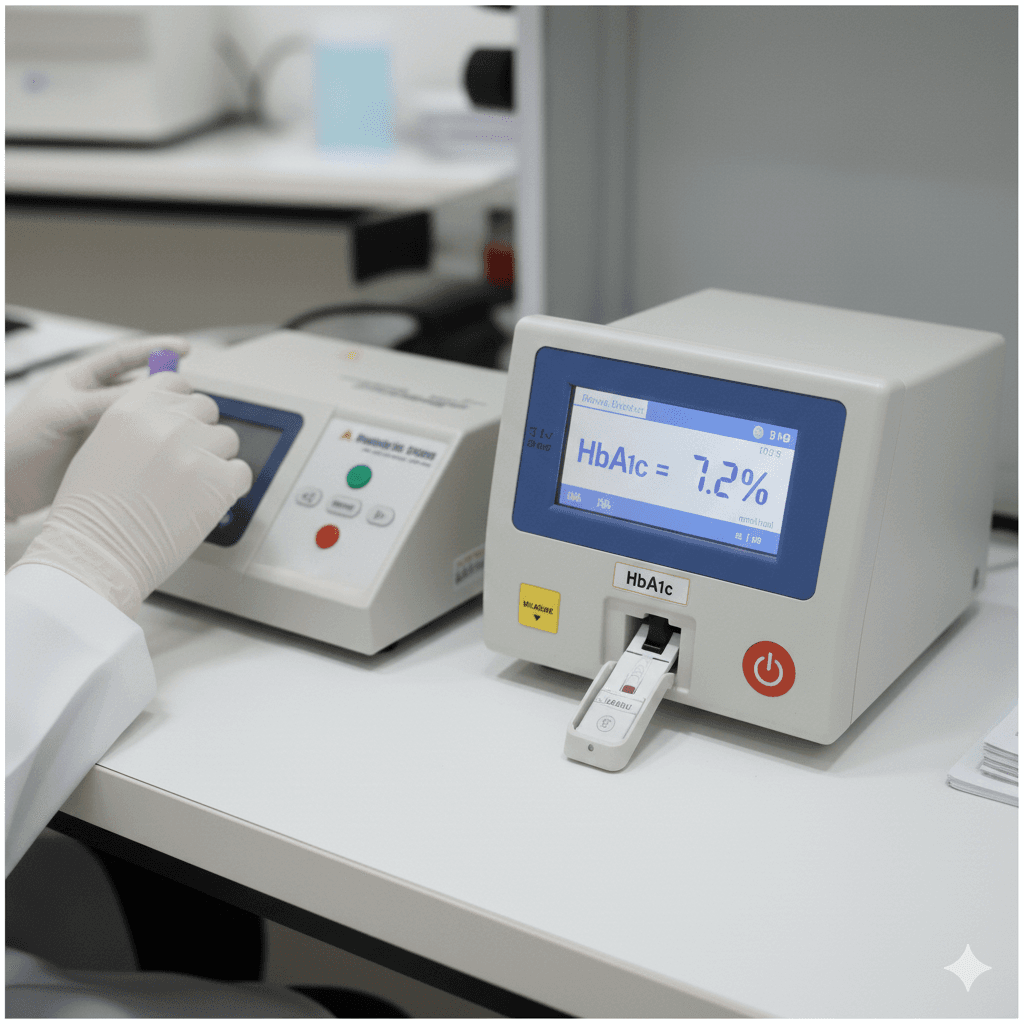
HbA1c
HbA1c reflects average blood glucose levels over the past 2–3 months, representing long-term blood sugar control. This test is useful for diagnosing diabetes, evaluating treatment effectiveness, and preventing diabetes-related complications.