CLINICAL CHEMISTRY EXAMINATION
A laboratory examination performed to analyze various chemical substances in body fluids.
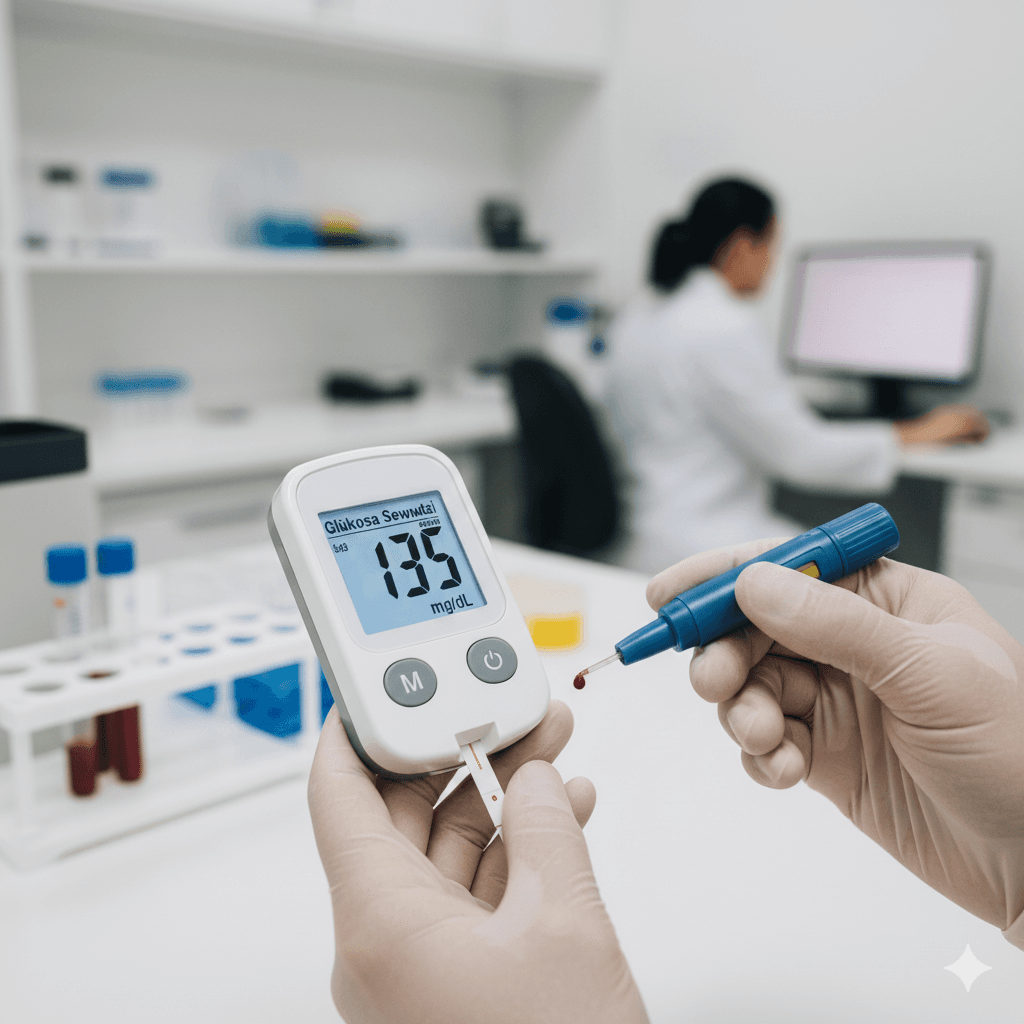
Random Blood Glucose
Measures blood glucose levels without fasting. Used as an initial screening for glucose disorders and evaluation of hyperglycemia or hypoglycemia.
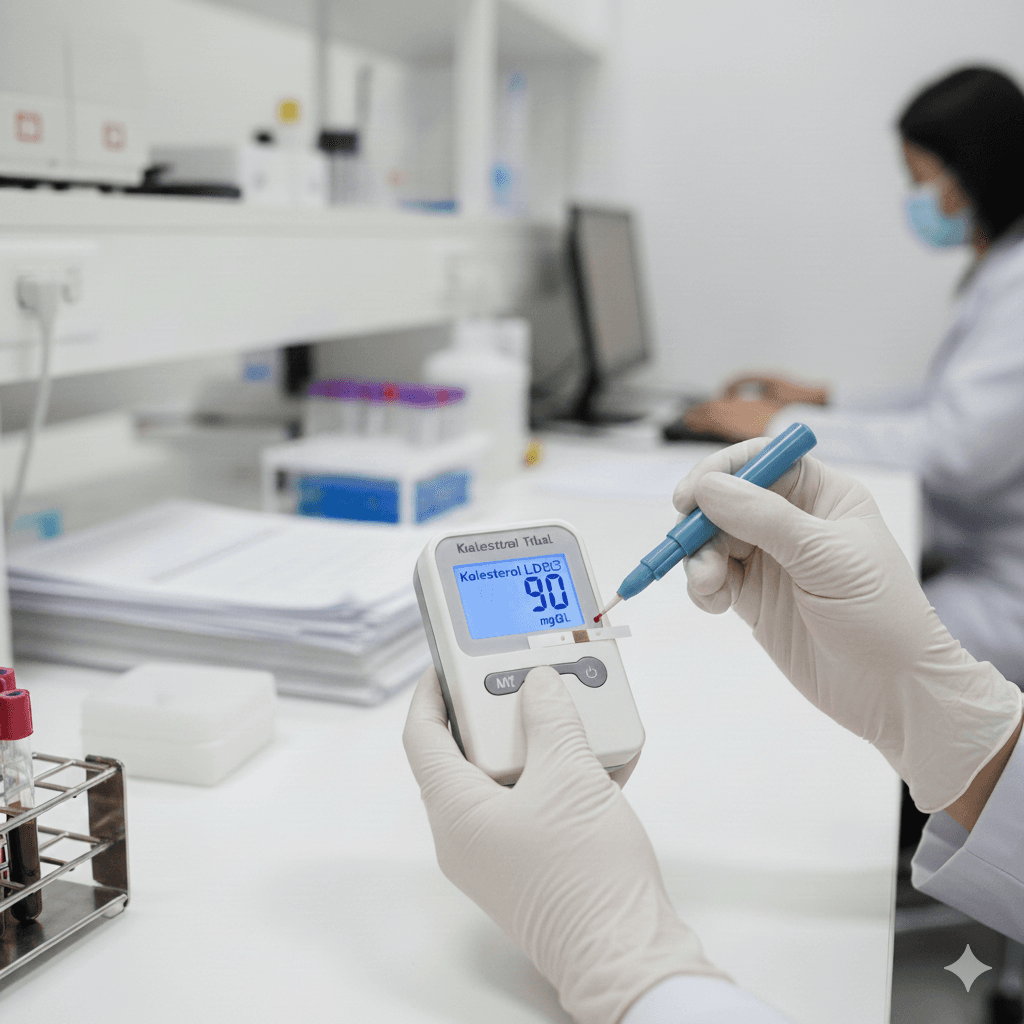
LDL Cholesterol
LDL (bad cholesterol) indicates cholesterol that can accumulate in blood vessel walls. Important for assessing risk of atherosclerosis, heart attack, and stroke.
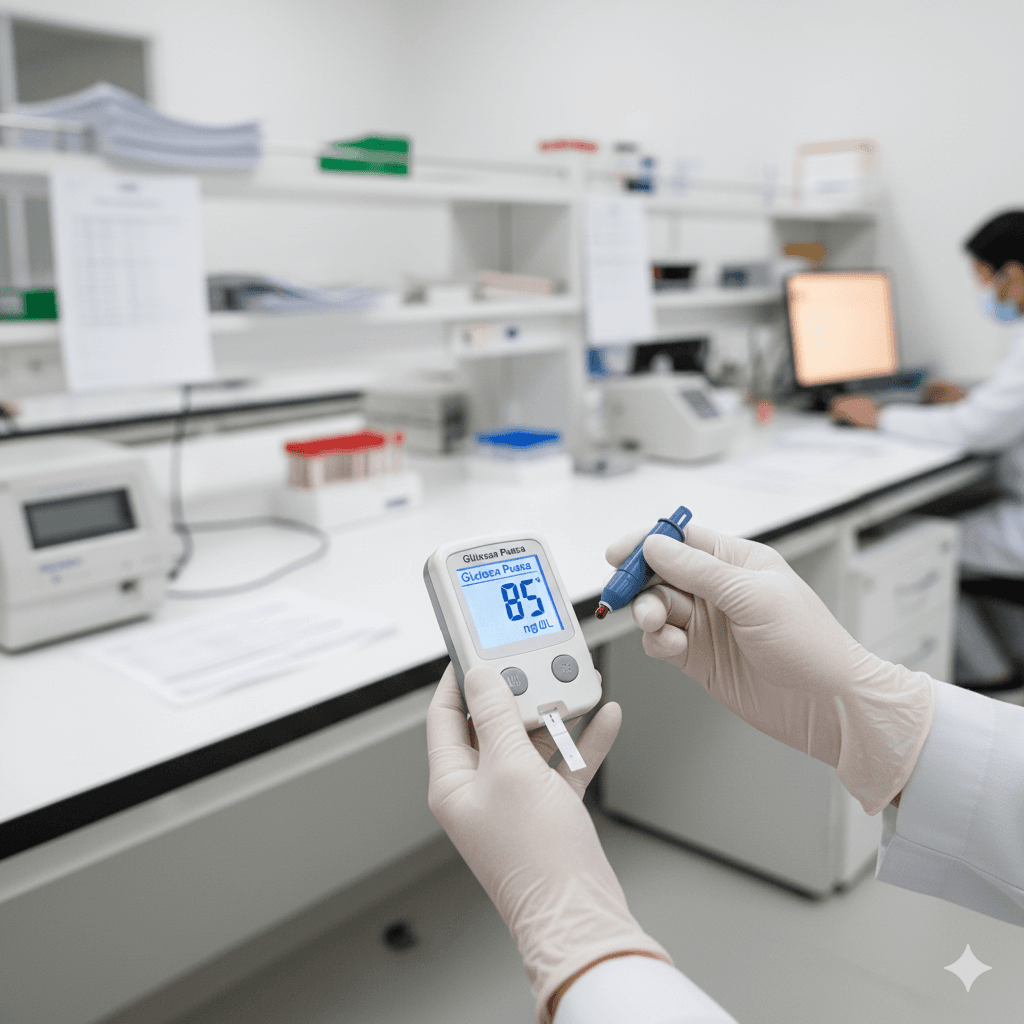
Fasting Blood Glucose
Performed after at least 8 hours of fasting to obtain accurate results. Important for diagnosing diabetes, prediabetes, and monitoring blood glucose levels.
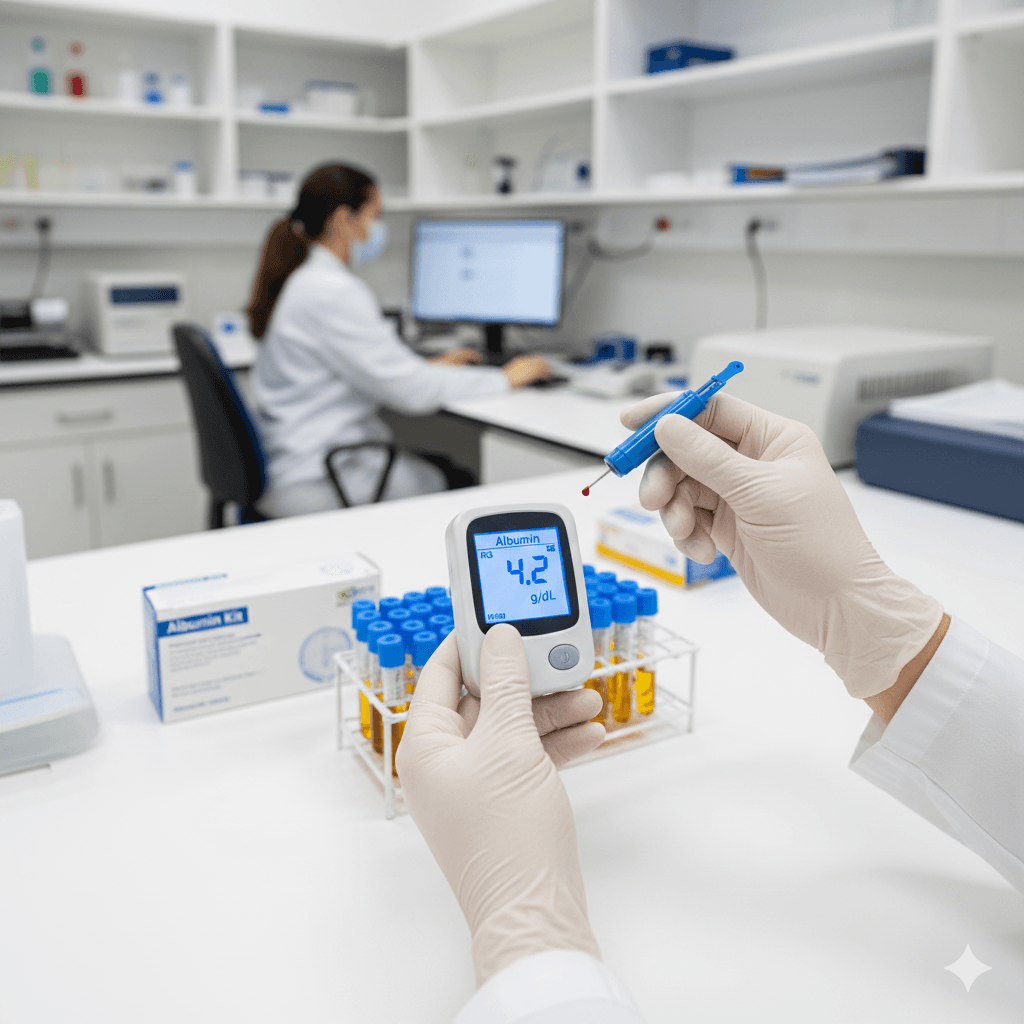
Albumin
Measures the main protein in blood that maintains fluid balance. Helps assess liver and kidney function and nutritional status.
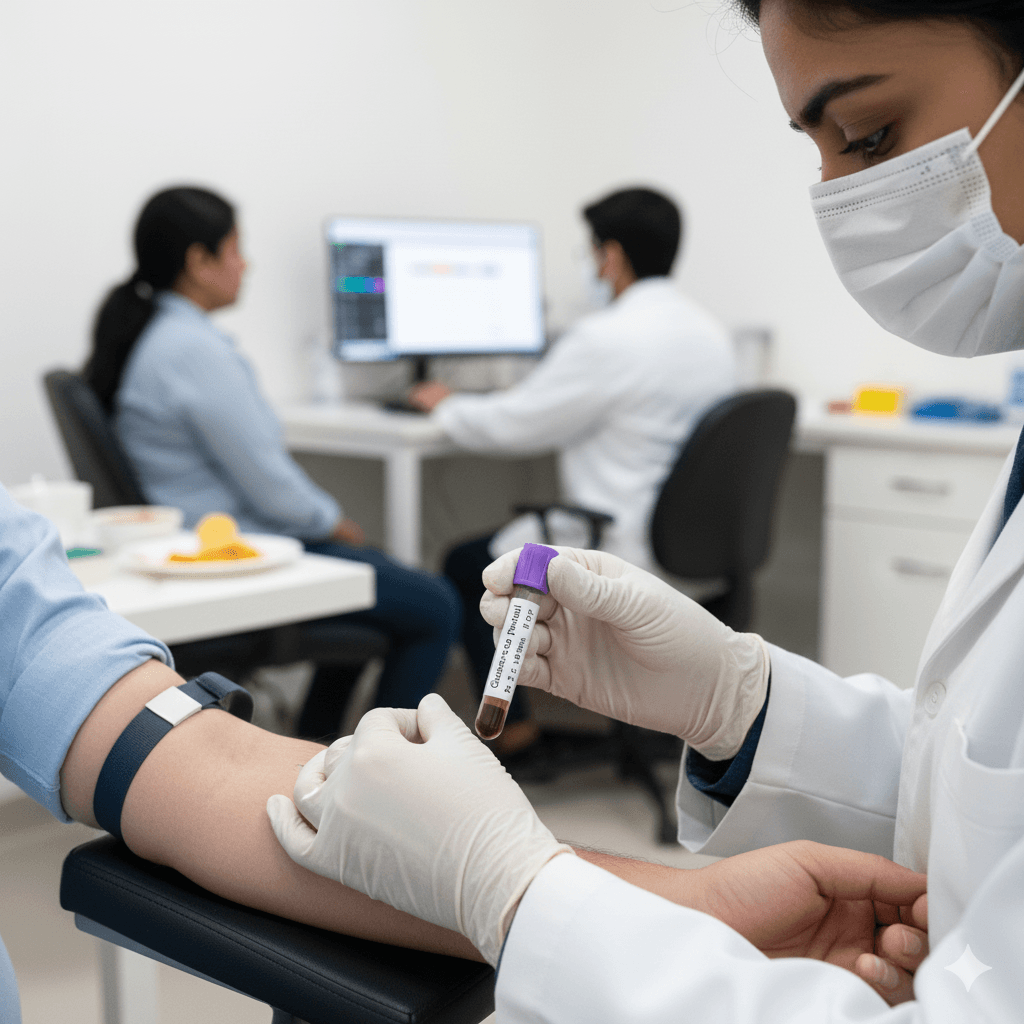
2-Hour Postprandial Glucose
Measures blood glucose levels two hours after eating. Helps assess glucose tolerance and effectiveness of diabetes management.
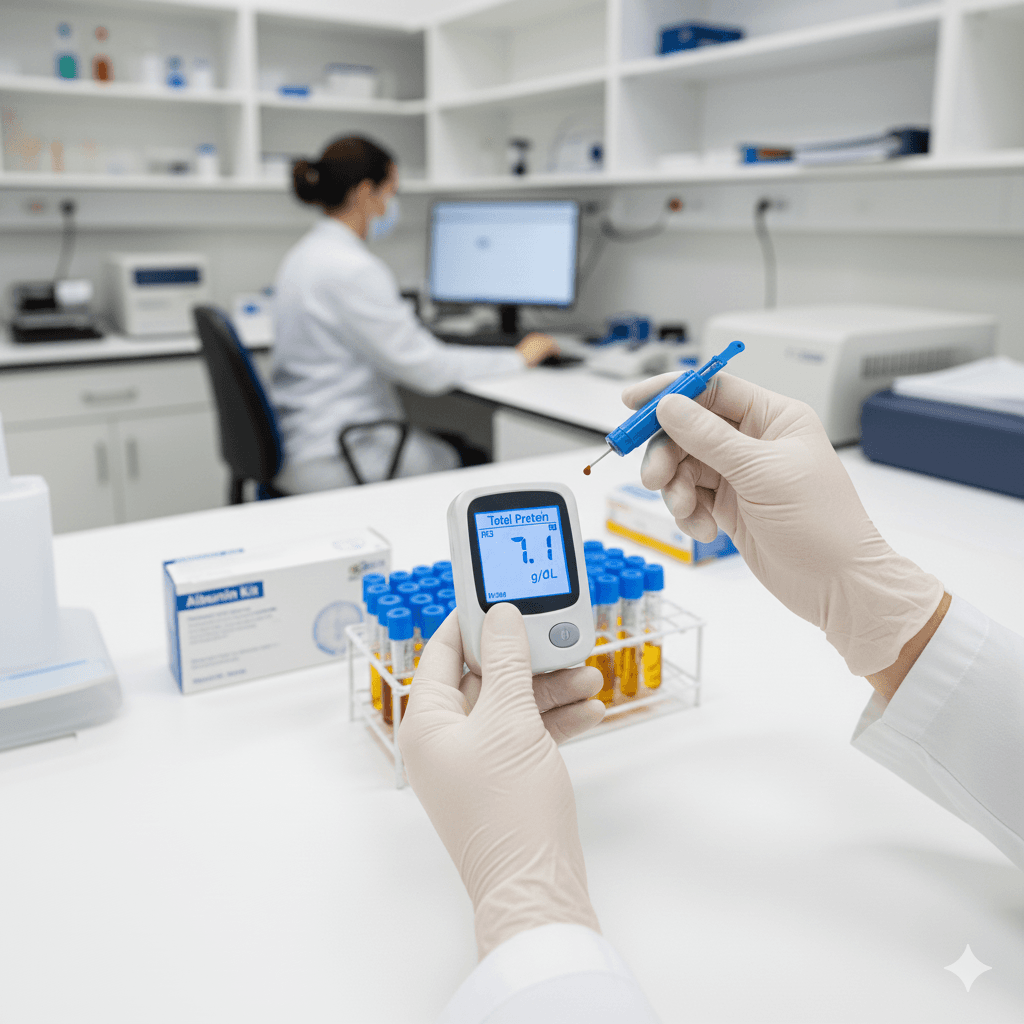
Total Protein
Measures total protein levels in blood. Useful for evaluating nutritional status, liver function, and immune system health.
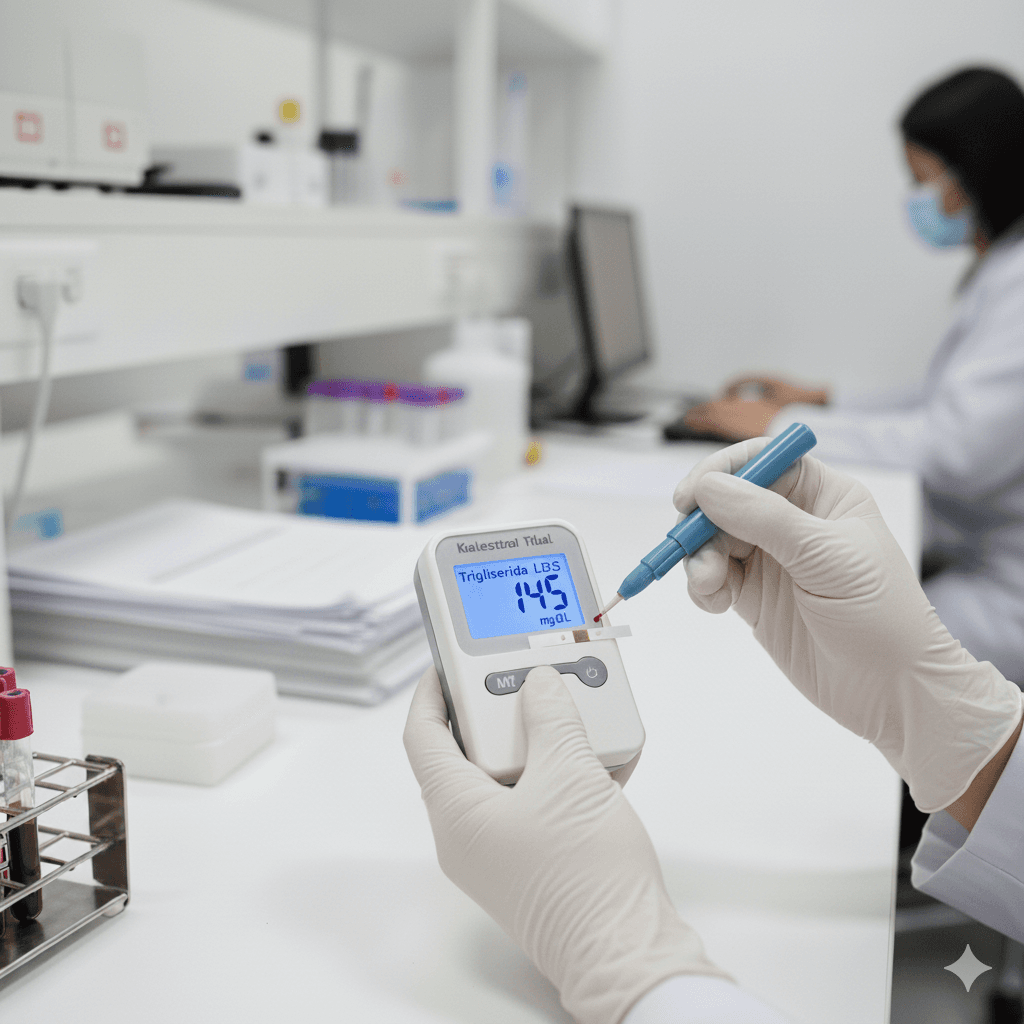
Triglycerides
Measures primary blood fat influenced by diet. Helps evaluate risk of heart disease and metabolic disorders.
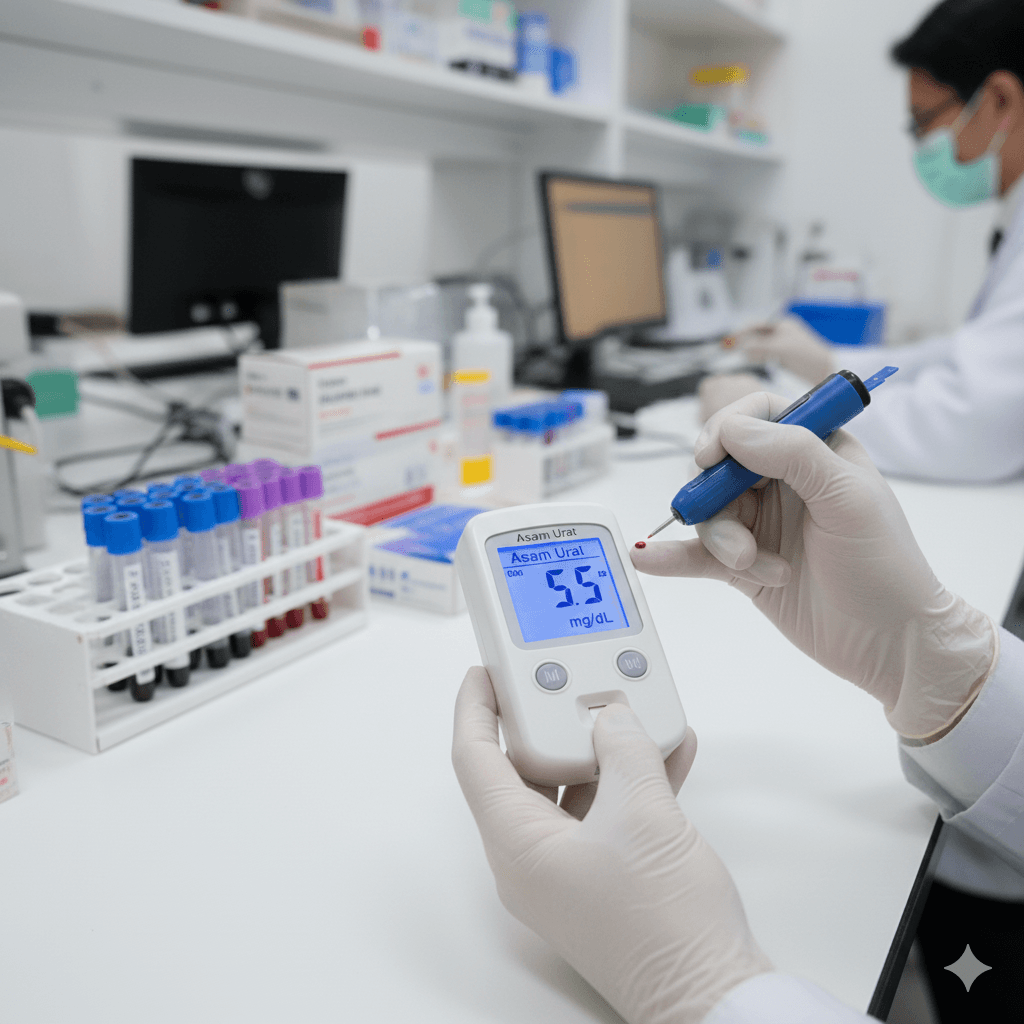
Uric Acid
Measures uric acid levels from purine metabolism. Helps detect risk of gout, joint pain, and kidney disorders.
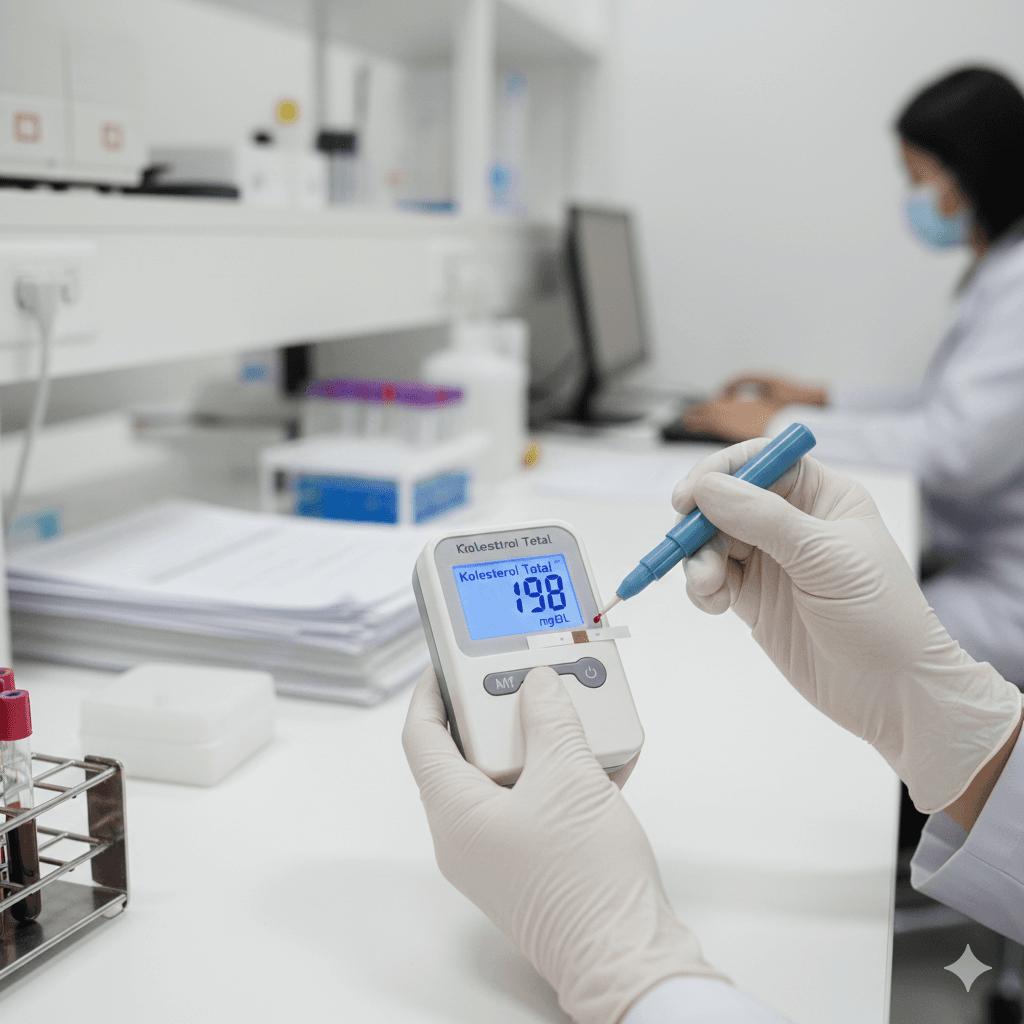
Total Cholesterol
Measures Overall Cholesterol Levels in Blood. Helps assess cardiovascular disease risk and supports healthy lifestyle evaluation.
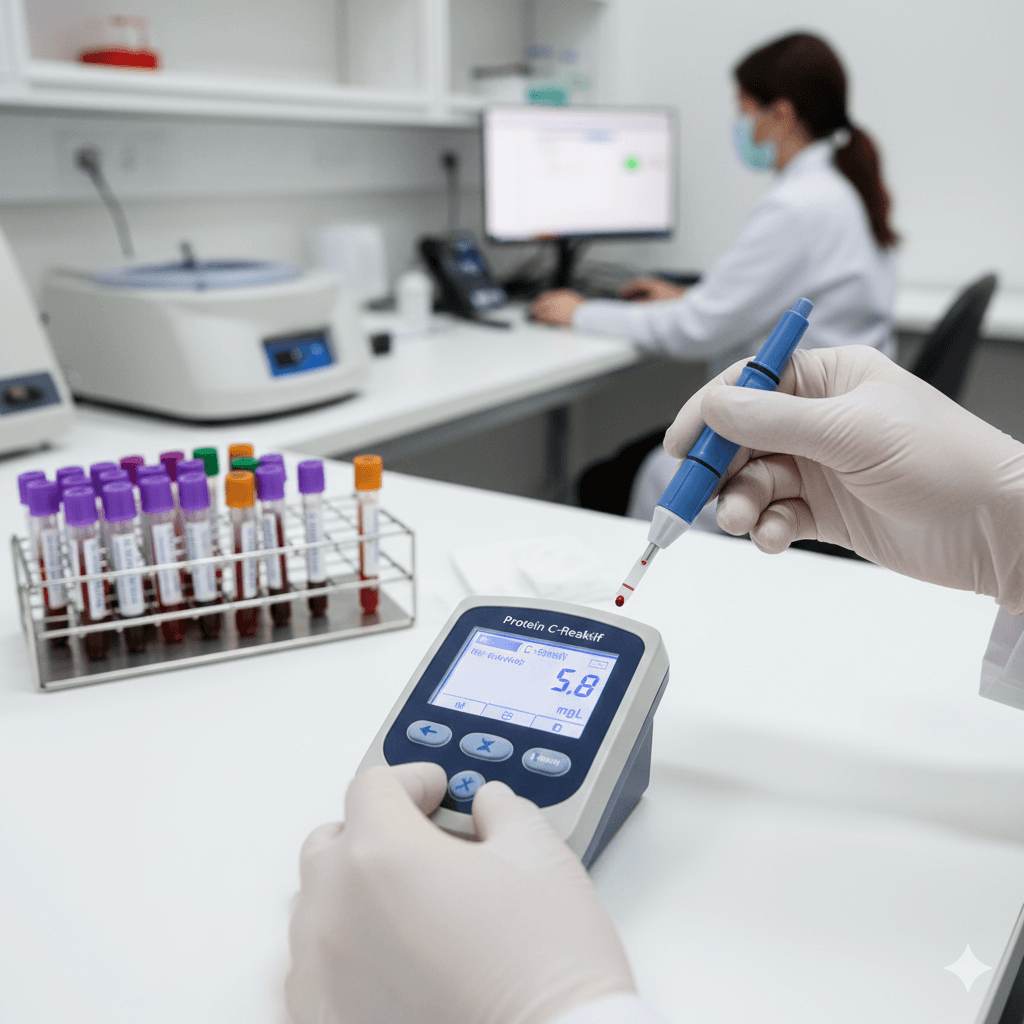
C-Reactive Protein
CRP is an inflammatory marker that increases during infection or inflammation. Helps detect acute inflammation and monitor treatment response.
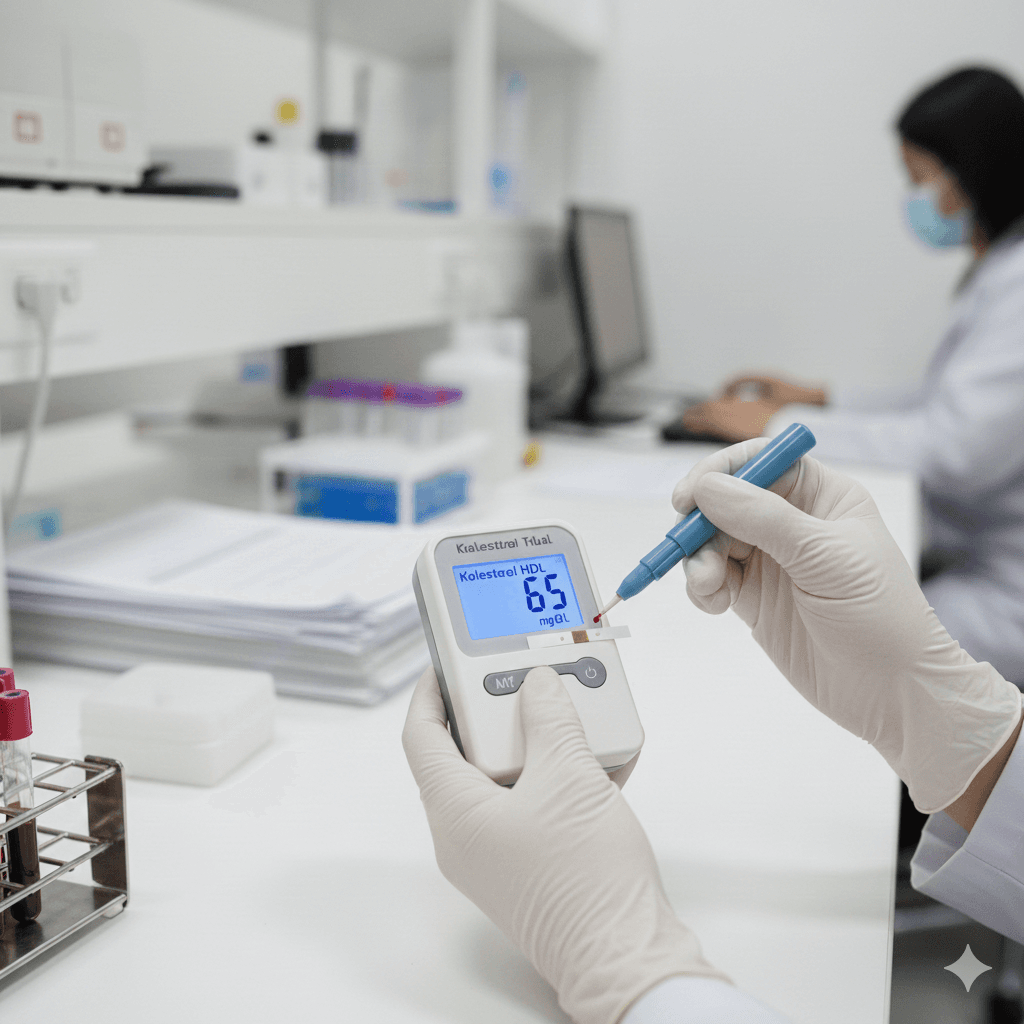
HDL Cholesterol
HDL (good cholesterol) helps transport excess cholesterol from blood vessels. Adequate HDL levels protect against heart and vascular diseases.